
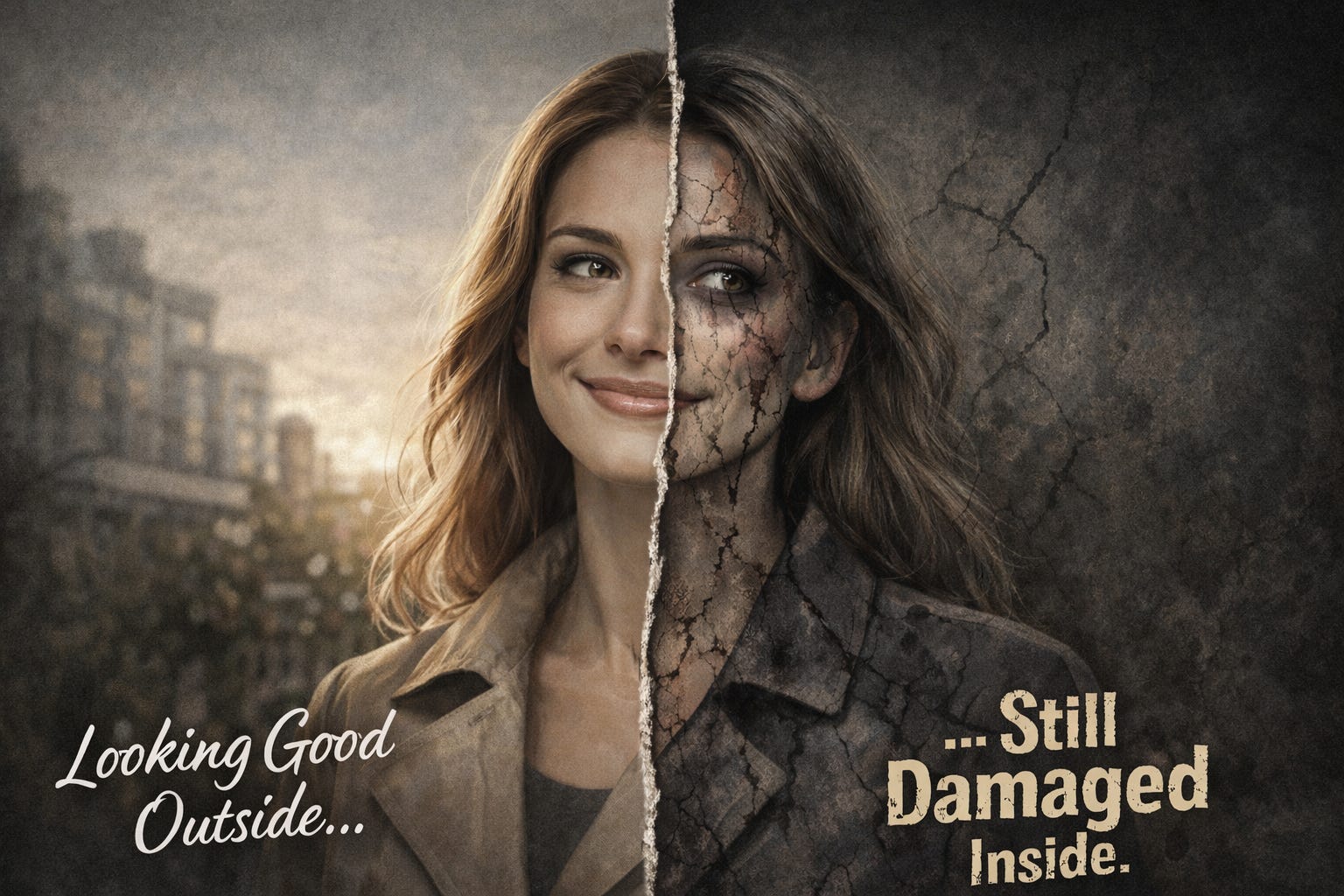
We currently live in a time that prioritize mental health more than any previous era. Therapy carries far less stigma than it once did, and psychiatric medications are standard treatments for millions of people. Despite this progress, a difficult reality remains. Many individuals spend years in treatment yet still feel empty, disconnected, or unhealed. Why?
A significant issue with modern mental health care is its tendency to reduce complex human beings into simple problems. In an effort to be scientific, the system frequently turns a person into a diagnosis. A unique individual becomes a set of symptoms or a medical code.
This approach often ignores the personal history, culture, and spirit of the patient. When a doctor views a person primarily through the lens of a disorder, they may overlook the meaning behind the suffering. Medication may suppress the symptoms, but it rarely addresses why the pain exists in the first place.
Treating Normal Pain as Illness
To be human is to experience a wide range of difficult feelings. Sadness, grief, fear, anger, and confusion are natural responses to loss and the challenges of life. However, modern systems often categorize these experiences as illnesses too quickly. When professionals label normal emotional reactions as disorders, it teaches people that they are broken.
Psychology excels at teaching people how to cope. Behavioural therapies help patients manage their thoughts, control their anxiety, and return to work. A person can learn techniques to get out of bed in the morning yet still feel that their life lacks direction.
Why ignore the Environment?
Perhaps the greatest blind spot of the current system is its focus on the individual in isolation. Therapy usually takes place in a private room where problems are viewed as internal issues. This perspective ignores the fact that humans are social creatures shaped by their surroundings. Many people do not suffer because their minds are broken, but because their environments are unhealthy. They may face isolation, toxic workplaces, or a lack of community support.
Conclusion
We need psychiatry and psychology. They serve as essential tools for stabilization and crisis management. However, we must recognize them as tools rather than complete answers. If we view these fields as the final explanation of the human condition, they will disappoint us.
True healing requires elements that cannot be prescribed in a clinic. It requires meaning, deep connection, personal responsibility, and a sense of belonging. Without these elements, the medical system can help people survive, but it will struggle to help them become whole.